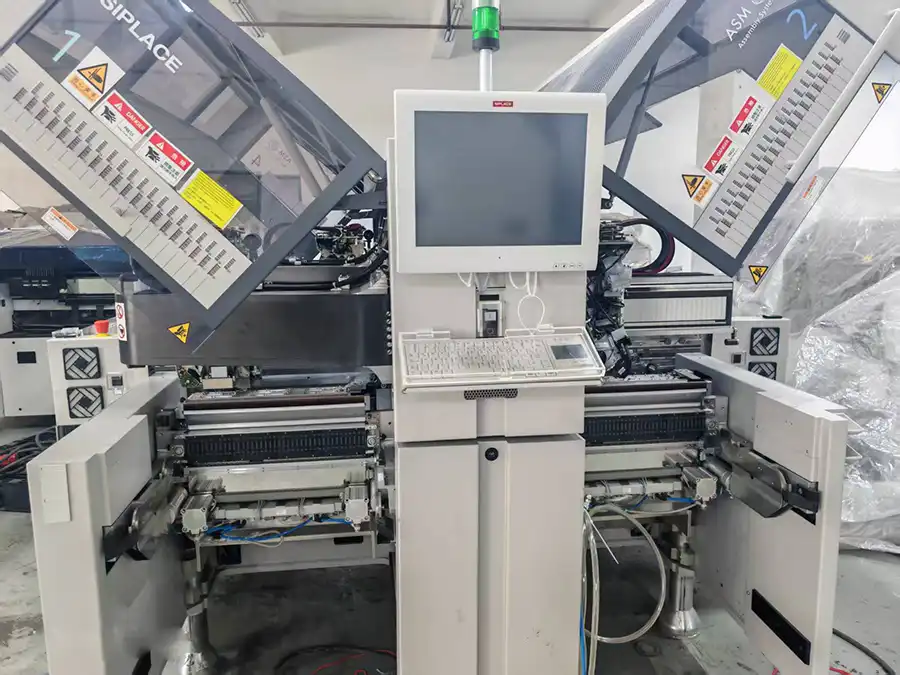
ASM SIPLACE CA2 is a hybrid placement machine developed for products that combine conventional SMD components with bare semiconductor dies. As part of the ASM SIPLACE CA Series, it brings feeder-based SMT placement, die attach and flip-chip processing int
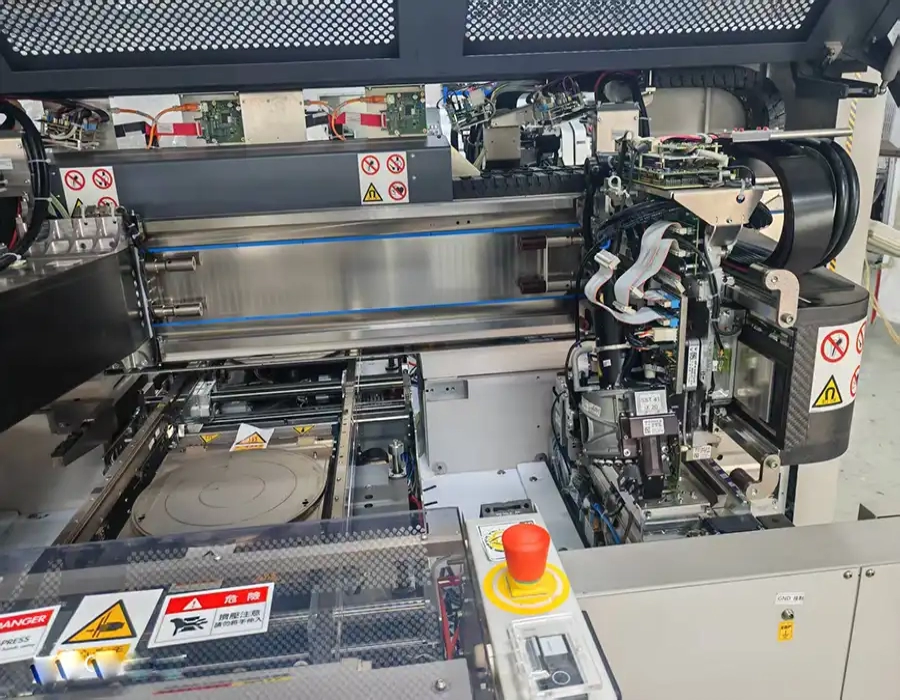
ASM SIPLACE CA2 is a hybrid placement machine developed for products that combine conventional SMD components with bare semiconductor dies. As part of the ASM SIPLACE CA Series, it brings feeder-based SMT placement, die attach and flip-chip processing into one coordinated production platform, allowing manufacturers to place packaged components and dies taken directly from sawn wafers within the same assembly flow.
The machine is particularly suited to System-in-Package, wafer-level packaging, panel-level packaging, embedded PCB and power-semiconductor applications. By processing dies directly from the wafer, the SIPLACE CA2 can reduce separate material-conversion steps, simplify material handling and provide traceability from the original wafer position to the completed assembly.
| Machine type | Hybrid SMT placement and die-bonding platform |
|---|---|
| Supported material sources | Tape-and-reel feeders, changeover tables and sawn wafers |
| Main processes | SMT placement, die attach and flip-chip placement |
| Typical applications | SiP, WLP, PLP, embedded PCB and power-semiconductor assemblies |
| Maximum wafer capacity | Up to 50 different wafers, depending on configuration |
| Traceability | Single-die-level tracking from wafer position to final placement location |
Many advanced electronic products no longer contain only standard packaged components. Compact modules may combine resistors, capacitors, packaged ICs, sensors and unpackaged semiconductor dies on the same substrate. A conventional SMT machine is designed mainly for feeder-supplied components, while a separate die bonder is normally required for direct wafer processing.
The SIPLACE CA2 was developed to connect these two production environments. It can process SMD components from conventional feeders and pick known-good dies directly from a wafer, helping manufacturers build highly integrated products without separating every placement step into a different machine type.
Hybrid component handling: Processes packaged SMT components and bare dies within one placement platform.
Direct wafer placement: Eliminates the need to convert every die into tape-and-reel packaging before assembly.
Die attach and flip chip: Supports face-up and face-down die-placement processes according to the installed setup.
High placement accuracy: Accuracy classes are available down to 10 µm at 3 sigma for demanding applications.
Fast wafer changes: The wafer exchange system can hold up to 50 wafer types with changeovers taking less than 13 seconds.
Process traceability: Individual die data can be tracked from its wafer source to its position on the finished substrate.
Inspection support: Options include component sensing, die-crack detection, die-chipping inspection and flux control.
Flexible substrate handling: Single- and dual-lane conveyor options support standard boards, SiP substrates, panels and embedded PCBs.
| Specification | SIPLACE CA2 |
|---|---|
| SMT placement speed | Up to 76,000 components per hour |
| Die attach from wafer | Up to 54,000 dies per hour |
| Flip-chip placement from wafer | Up to 51,000 dies per hour |
| Standard placement accuracy | 20 µm at 3 sigma |
| Optional accuracy classes | 15 µm or 10 µm at 3 sigma |
| Maximum single-lane substrate size | Up to 620 × 700 mm, depending on accuracy class and configuration |
| Maximum dual-lane substrate size | Up to 375 × 260 mm; additional formats depend on conveyor mode and accuracy class |
| Machine dimensions | Approximately 2.56 × 2.50 × 1.85 m |
| Communication interfaces | IPC-HERMES-9852, IPC-2591 CFX, IPC-SMEMA-9851 and SECS/GEM |
| Cleanroom compatibility | Class 7 according to DIN EN ISO 14644-1; SEMI S2/S8 compliant |
Final performance depends on the installed placement head, wafer system, conveyor, software, component mix and selected process options.
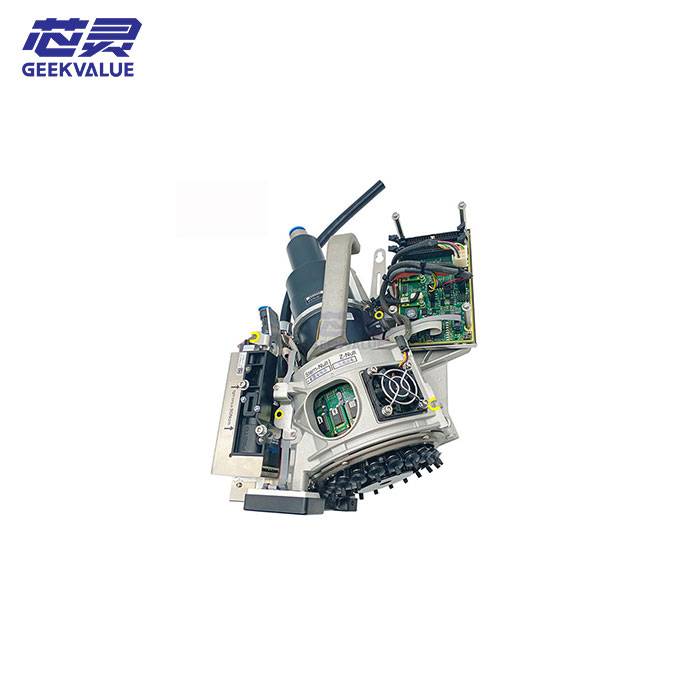
The CP20 head is designed for fast and accurate handling of small and sensitive components. It supports components from 0201 metric up to 8.2 × 8.2 mm with a maximum component height of 4 mm. The head can reach up to 38,000 components per hour and supports touchless pickup and zero-force placement.
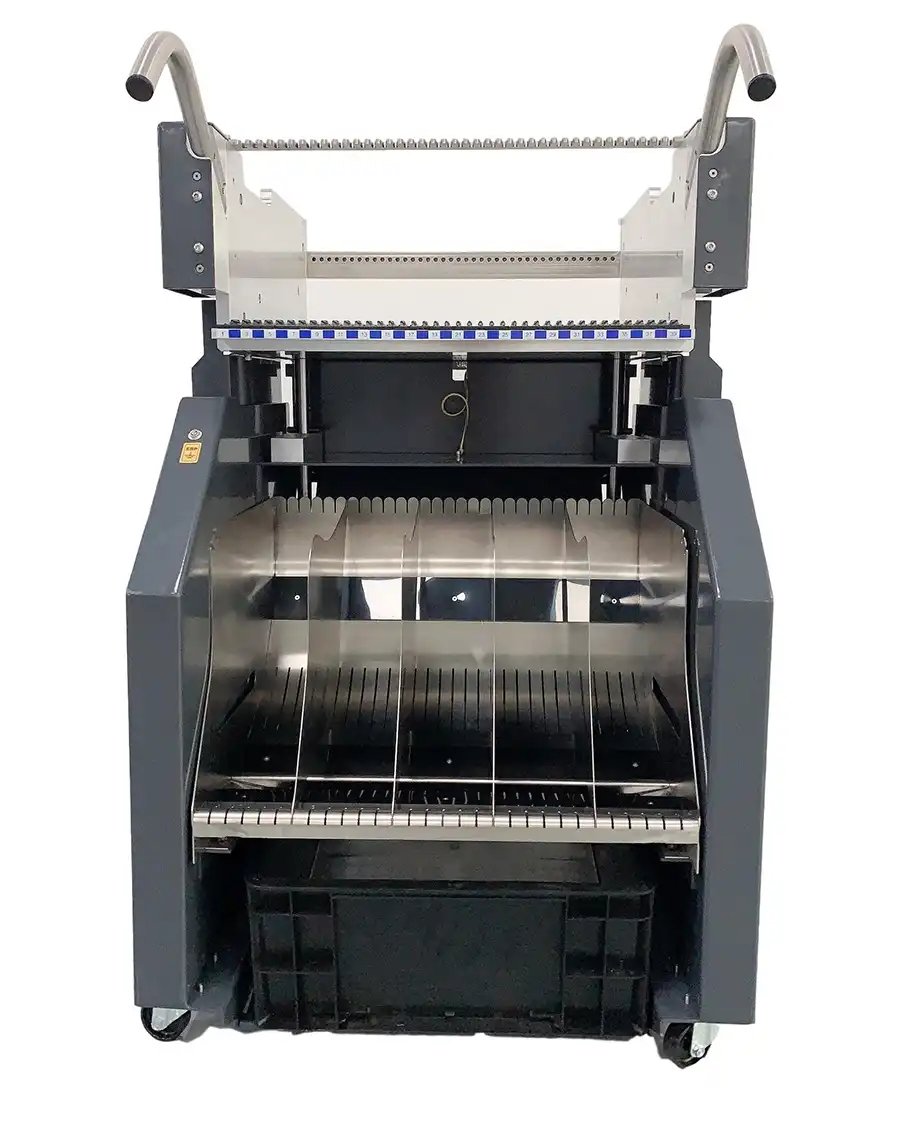
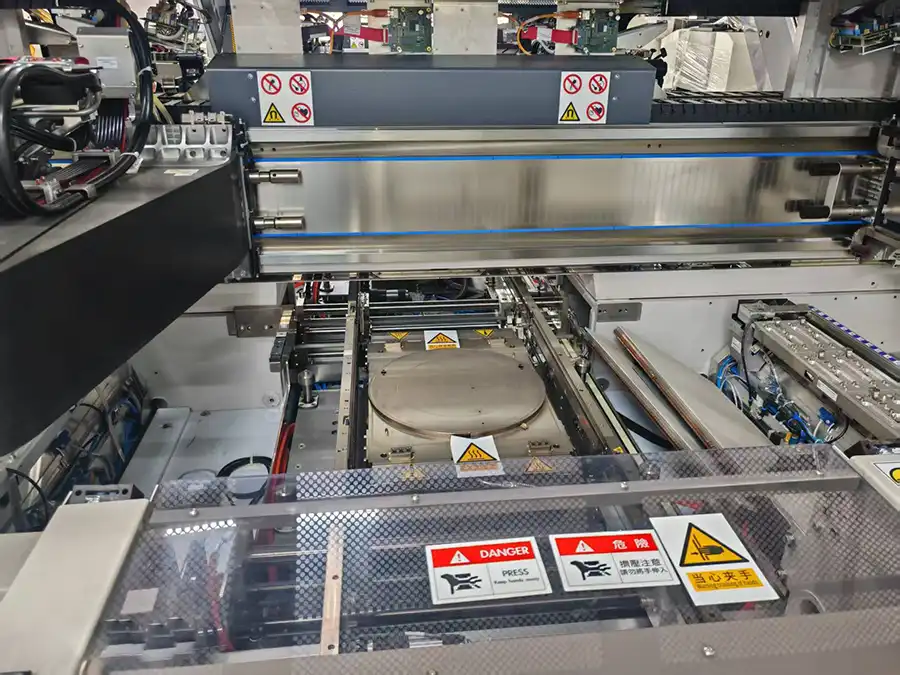
The wafer exchange unit provides multi-die capability for production requiring several die types. It can hold up to 50 different wafers and supports rapid wafer changes for complex SiP and advanced-packaging products.
The single-lane conveyor supports larger substrates, embedded boards, panels and chip-on-wafer applications. The dual-lane conveyor is suited to standard PCBs and SiP substrates where parallel board transport can improve line utilization.
A linear dipping unit can support flux or adhesive transfer before die placement. Available inspection options can check material pickup, die condition and the application of dipping media to improve process control and yield.
System-in-Package modules combining SMDs and multiple bare dies
Wafer-level and panel-level packaging processes
Embedded PCB and embedded-component assemblies
Power-semiconductor modules and power-electronics products
Communication, 5G, automotive and sensor modules
Compact computing, medical and industrial electronic assemblies
Chip-on-wafer and other high-accuracy placement applications
SIPLACE CA2 machines can be supplied with different heads, wafer modules, conveyor arrangements, inspection systems and software options. The following information should be confirmed for the individual machine:
Machine serial number and manufacturing year
Installed placement head and accuracy class
Wafer exchange, ejector and buffering configuration
Single-lane or dual-lane conveyor arrangement
Supported substrate and wafer dimensions
Die attach, flip-chip and dipping options
Inspection, traceability and communication functions
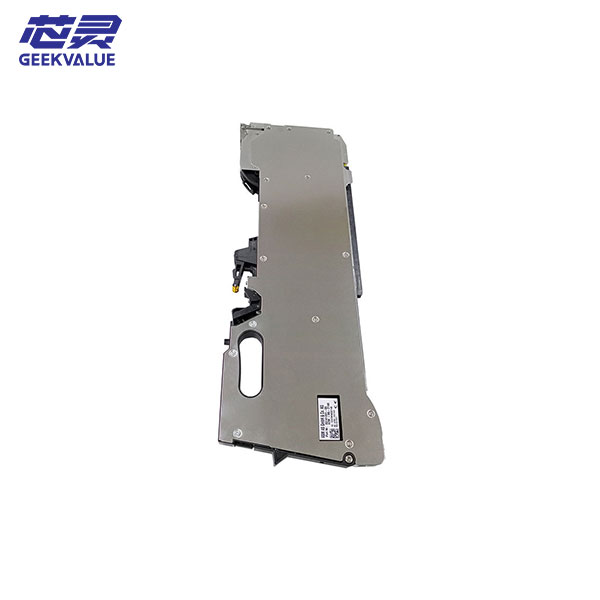
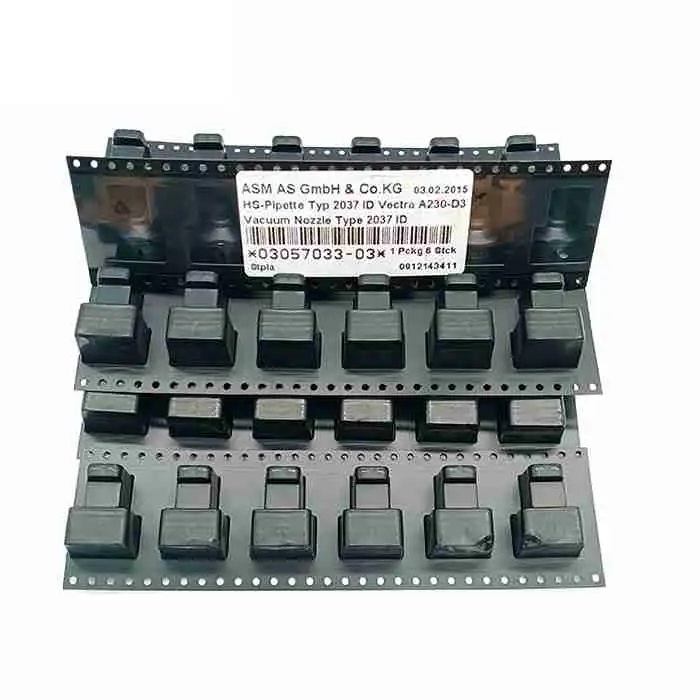
Included feeders, nozzles, accessories and spare parts
Software version, licenses and available test information
Available SIPLACE CA2 machines can be matched according to the required component range, die size, wafer format, substrate dimensions, production output and accuracy target. Machine condition, installed modules, included accessories and available inspection or test information are confirmed for each unit before quotation.
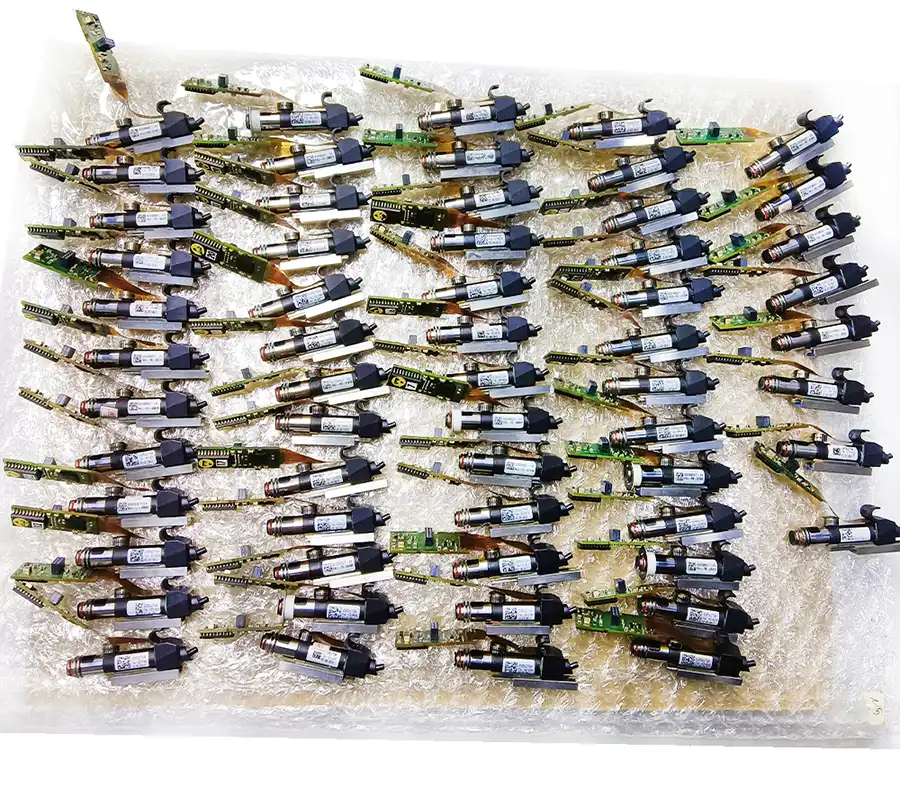
Support is also available for compatible SIPLACE feeders, placement heads, nozzles, wafer-handling components, motors, sensors, cameras, control boards, cables and other replacement parts.
It combines both functions. The CA2 can place conventional SMD components from feeders and process dies taken directly from a sawn wafer for die-attach or flip-chip applications.
Yes. This is one of its main purposes. The machine is designed for hybrid assemblies that combine standard SMT components with one or more semiconductor dies.
The published maximum rates are 76,000 components per hour for SMT placement, 54,000 dies per hour for die attach and 51,000 dies per hour for flip-chip placement. Actual throughput depends on the production setup.
The platform provides a standard accuracy of 20 µm at 3 sigma, with optional accuracy classes of 15 µm and 10 µm at 3 sigma.
The wafer system can hold up to 50 different wafers, with wafer swaps taking less than 13 seconds under the specified configuration.
Yes. Full single-die-level traceability can track an individual die from its original wafer location to its final position in the assembled product.
The supply scope depends on the available equipment and quotation. Compatible feeders, nozzles, heads and replacement parts can be matched separately when required.
Please provide the substrate size, component package range, die dimensions, wafer format, required process, accuracy target, expected output, preferred machine condition and destination country.
Send your production requirements and required SIPLACE CA2 configuration for equipment matching, availability and quotation.
If you are not sure whether this product matches your machine, send us the model, label photo or old part picture for checking.