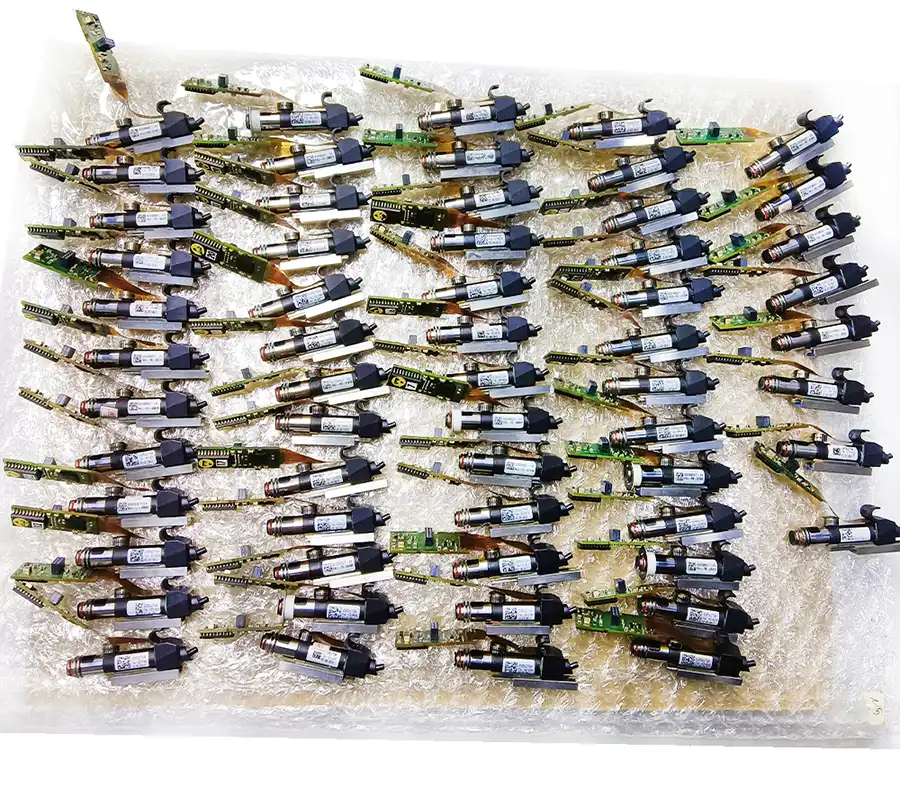
ASM SIPLACE CA4 is a specialized hybrid placement machine for production environments that require more than conventional feeder-based SMT assembly. As a model within the ASM SIPLACE CA Series, it is intended for complex electronic and semiconductor produ
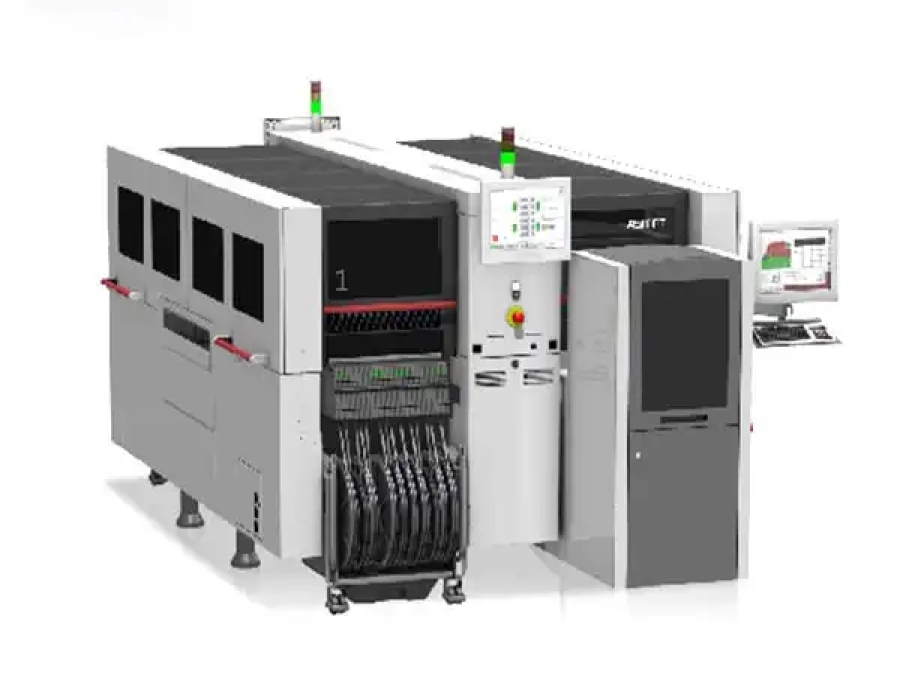
ASM SIPLACE CA4 is a specialized hybrid placement machine for production environments that require more than conventional feeder-based SMT assembly. As a model within the ASM SIPLACE CA Series, it is intended for complex electronic and semiconductor products in which packaged components, bare dies, specialized substrates and advanced material-handling processes must be coordinated within a controlled production system.
Depending on the installed configuration, a SIPLACE CA4 can be equipped for hybrid component placement, wafer-based die handling, die attach, flip-chip processes and other advanced assembly requirements. Because available machines may differ in heads, wafer modules, conveyors, cameras, software and process options, the actual equipment configuration is the most important factor when selecting a CA4.
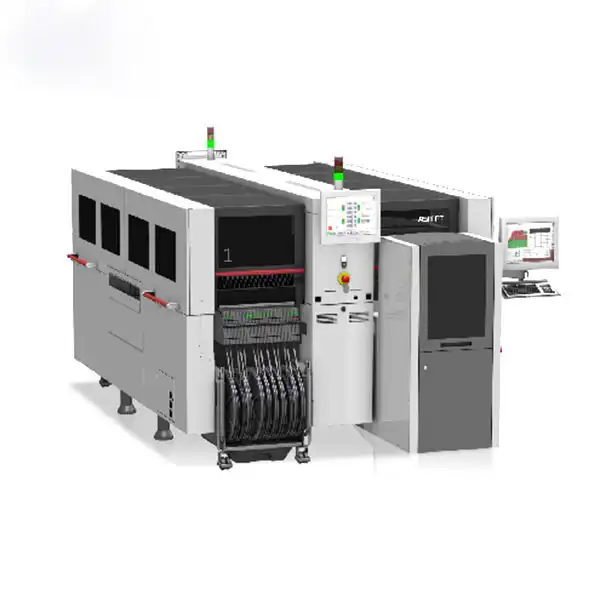
| Machine category | Specialized hybrid placement and advanced-assembly system |
|---|---|
| Typical material formats | Feeder-supplied components, trays and wafer-based dies, depending on configuration |
| Process capability | SMT placement, die handling, die attach and flip-chip functions according to installed options |
| Typical products | SiP modules, hybrid assemblies, semiconductor subassemblies, sensors and power-electronic modules |
| Equipment availability | Used or refurbished machines subject to current stock and configuration |
| Configuration principle | Machine capability must be verified from the installed heads, wafer equipment, conveyor, software and process modules |
A standard SMT placement machine is primarily designed to pick packaged components from tape feeders or trays and place them onto a PCB. Advanced electronic modules can require a broader production process, including semiconductor dies, wafer maps, controlled pickup forces, die orientation, dipping, inspection and high-accuracy placement on specialized substrates.
The SIPLACE CA4 addresses this type of mixed production requirement. It provides a configurable platform that can bring conventional component placement and semiconductor die-handling functions into a coordinated assembly process. This makes it relevant to manufacturers producing compact modules with several material formats and demanding process-control requirements.
Hybrid assembly capability: Supports production involving standard SMD components and semiconductor dies according to machine configuration.
Flexible material supply: Can be configured around feeders, trays, wafer systems and other material-handling modules.
Process integration: Helps coordinate component placement, die handling, inspection and traceability within one production environment.
Configurable placement system: Installed heads, cameras, nozzles and sensors can be selected for different component and die requirements.
Specialized substrate handling: Conveyor and support systems can be matched to PCB, panel, module or other substrate formats.
Used-equipment value: A correctly configured machine can provide an alternative to purchasing multiple separate systems for mixed assembly processes.
| System Area | Capability to Confirm | Why It Matters |
|---|---|---|
| Placement heads | Head model, number of heads, supported component range and placement force | Determines speed, accuracy and the types of components or dies the machine can process |
| Wafer-handling system | Wafer size, wafer loader, exchange unit, ejector and wafer-map support | Determines whether the machine can pick dies directly from the intended wafer format |
| Feeder and tray supply | Supported feeder families, tape widths, JEDEC trays and other material inputs | Defines compatibility with packaged components and auxiliary materials |
| Vision and inspection | Cameras, component sensors, die inspection and alignment functions | Affects pickup verification, orientation, placement accuracy and defect control |
| Conveyor and support | Lane arrangement, substrate dimensions, thickness, warpage support and transport direction | Determines compatibility with the target PCB, panel or module |
| Process modules | Dipping, adhesive or flux application, die attach and flip-chip options | Defines which assembly sequence can be completed on the machine |
| Software and interfaces | Software version, licenses, line communication and traceability functions | Determines programming, data exchange and compatibility with the existing line |
SiP and hybrid products may combine passives, packaged ICs and several bare dies on a common substrate. A configured CA4 can support the mixed material-handling and placement requirements associated with these assemblies.
Miniaturized sensor, communication and control modules often require accurate placement of different package types within a limited substrate area.
Power modules may require controlled die handling, stable placement force, specialized substrate support and close inspection of the placement process.
The CA4 can be considered for processes in which semiconductor dies are placed onto an intermediate carrier, module or board before final assembly.
A flexible CA4 configuration can be useful for engineering lines and specialized production where several material formats or process steps must be tested and controlled.
Machine identification: Complete model designation, serial number, manufacturing year and nameplate information.
Installed heads: Head models, quantity, operating condition and supported component or die range.
Wafer equipment: Wafer loader, exchange system, ejector, wafer size and wafer-map compatibility.
Material supply: Included feeders, tray systems, nozzles and other handling accessories.
Board transport: Conveyor type, substrate size, thickness, support arrangement and transport direction.
Process options: Die attach, flip chip, dipping, inspection, traceability and cleanroom-related functions.
Software: Software version, installed licenses, programming tools and line communication interfaces.
Machine condition: Operating status, maintenance history, available test results and visible equipment condition.
Supply scope: Included accessories, documentation, spare parts, export packing and shipment requirements.
Used and refurbished SIPLACE CA4 machines may be supplied according to current availability. Each machine is reviewed by its actual installed configuration rather than the model name alone. Photos of the nameplate, placement heads, wafer area, conveyor, software screen and included accessories can be used to confirm the equipment before quotation.
Equipment matching is based on the required substrate dimensions, component and die range, wafer format, process sequence, placement accuracy, expected output and existing production-line interfaces.
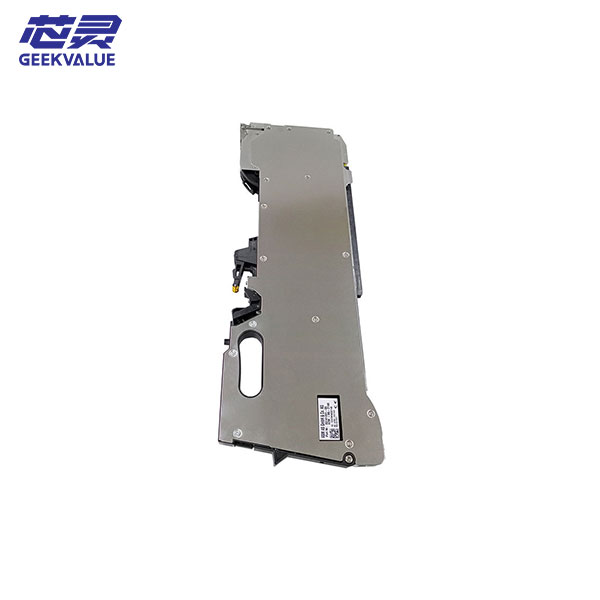
SIPLACE feeders and feeder replacement parts
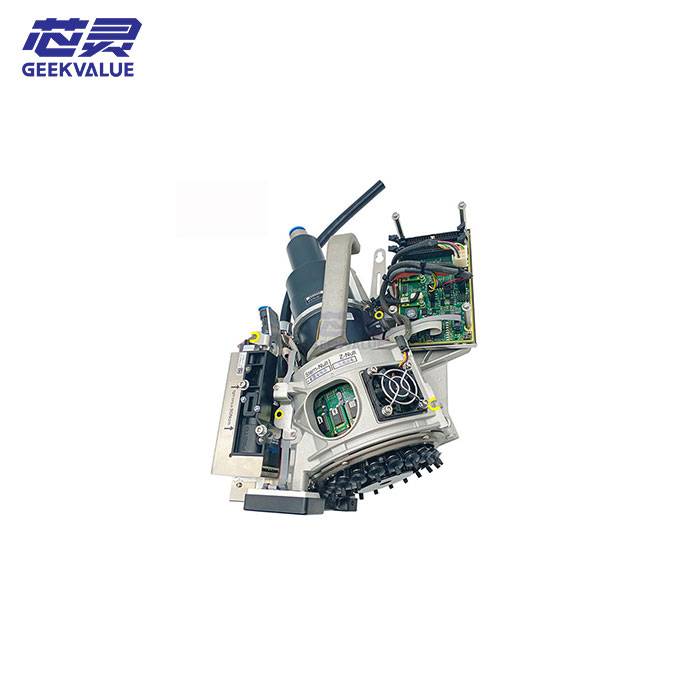
Placement heads and head-related service components
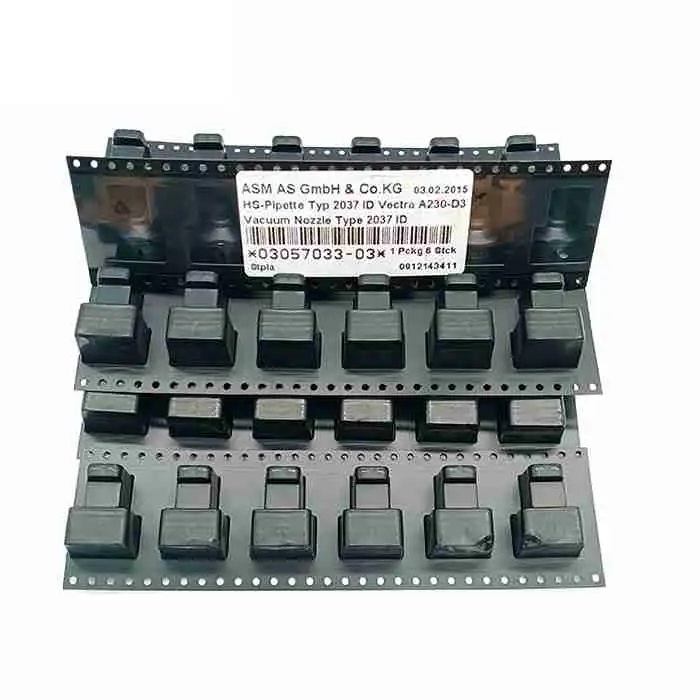
Standard and specialized pickup nozzles
Wafer loader, exchange and ejector components
Cameras, sensors and inspection-system parts
Motors, drives, control boards and power modules
Cables, valves, pneumatic parts and mechanical assemblies
Conveyor, board-support and substrate-handling parts
It is used for specialized placement and advanced-assembly processes that may combine conventional SMD components, semiconductor dies and several material-handling formats within one production system.
It can perform SMT-related placement functions, but its main value is in configurations that extend beyond ordinary feeder-based component placement and support semiconductor or hybrid-assembly requirements.
Direct wafer processing depends on the installed wafer loader, exchange unit, ejector, placement head, software and process options. The actual machine configuration must be confirmed.
These processes may be supported when the machine has the required placement heads, wafer equipment, dipping or process modules, vision system and software options.
Performance depends on the installed heads, number of operating placement stations, component or die type, substrate, process sequence and software configuration. The specification of the available unit should be reviewed individually.
Integration is possible when the conveyor height and direction, substrate flow, communication interfaces, upstream and downstream equipment and available floor space are compatible.
The included equipment depends on the available machine and quotation. Compatible accessories can also be matched separately according to the production requirement.
Please provide the target process, substrate dimensions, component and die range, wafer format, required accuracy, expected output, preferred machine condition, required accessories and destination country.
Send your SIPLACE CA4 process requirements and preferred machine configuration for availability, equipment matching and quotation.
If you are not sure whether this product matches your machine, send us the model, label photo or old part picture for checking.