
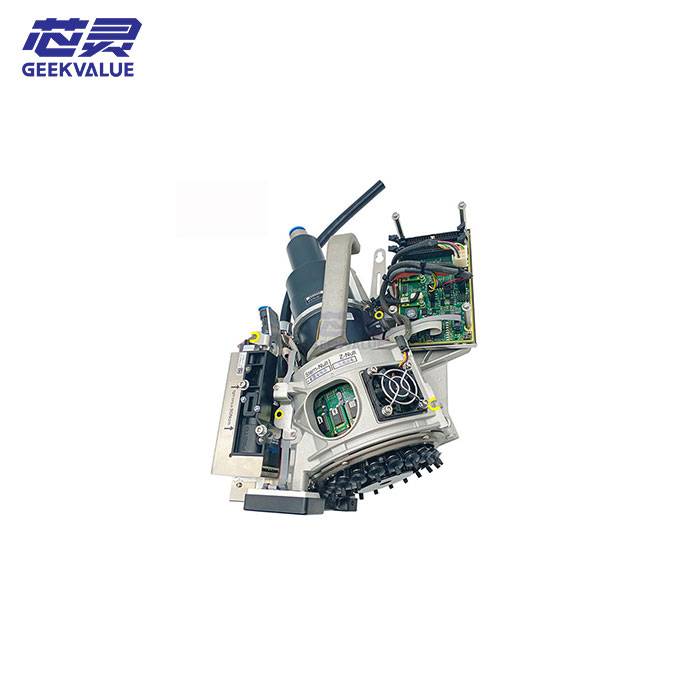
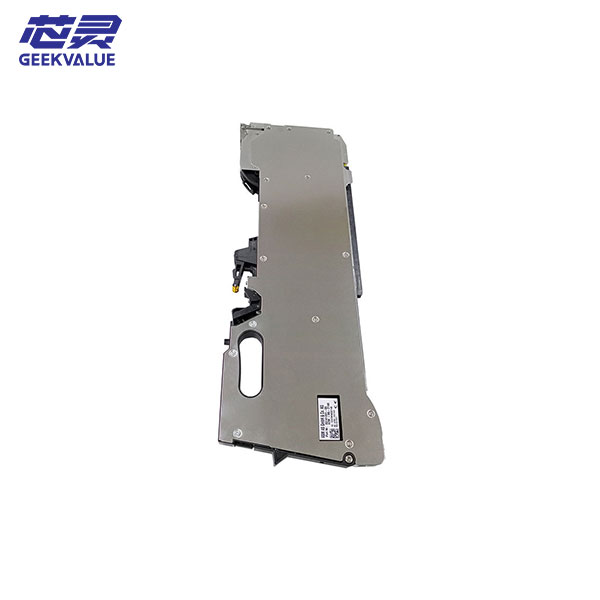
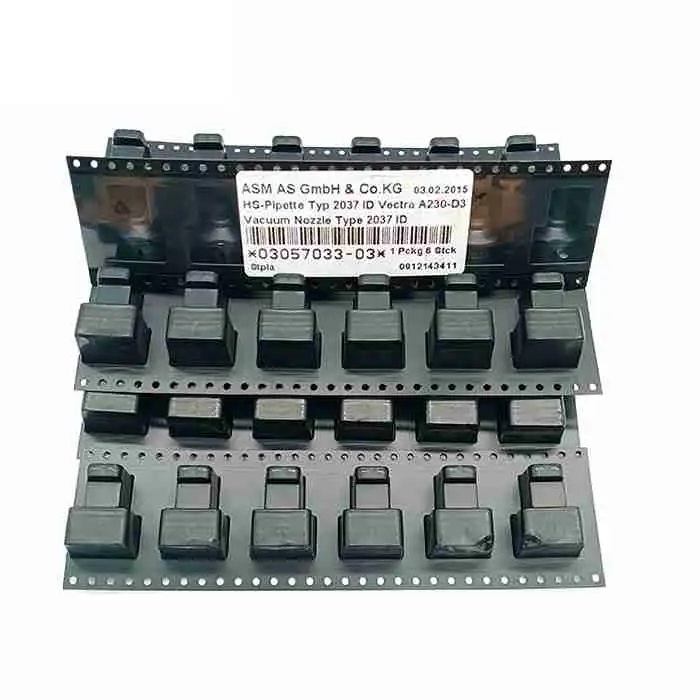
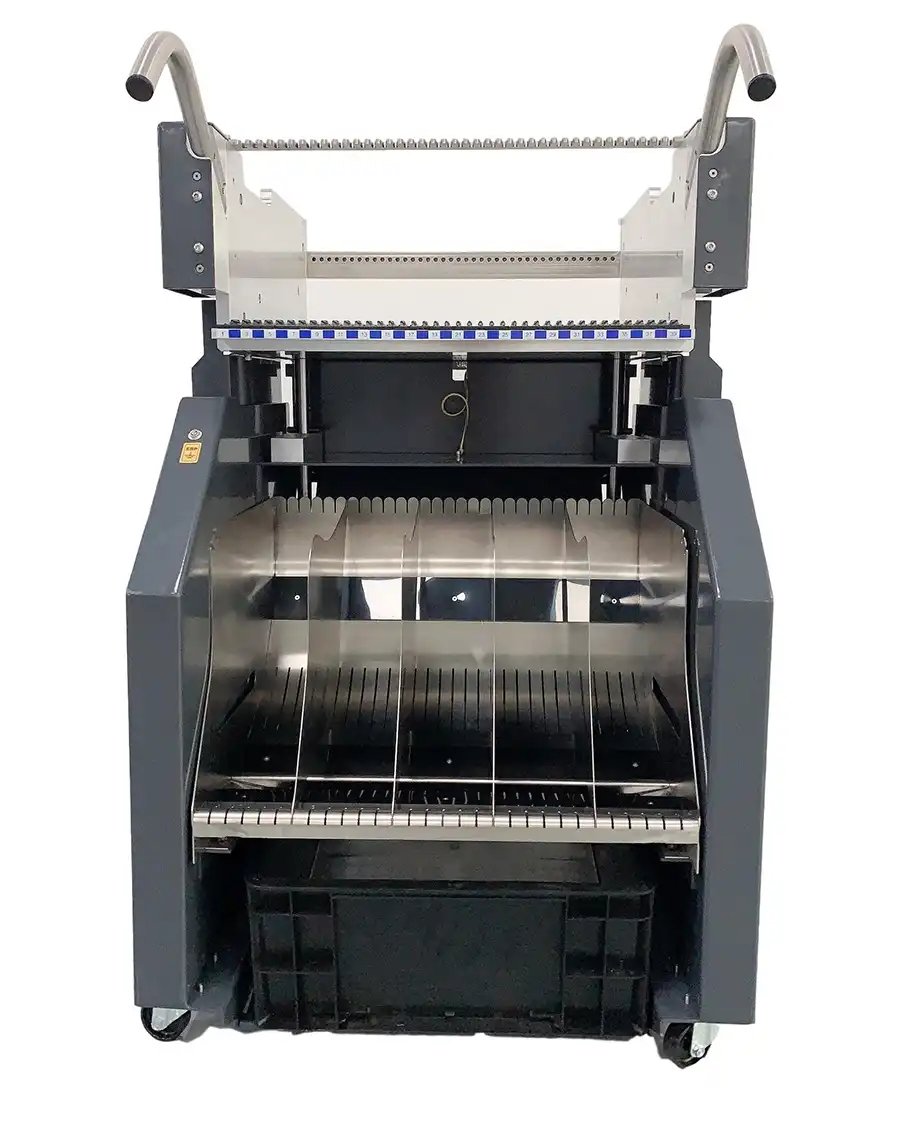










Professionally refurbished equipment may provide stronger condition evidence and support than ordinary as-is equipment. Ordinary used equipment may offer a lower purchase price but require greater internal technical capability, stronger preventive maintenance and spare-parts planning, and a larger allowance for commissioning, missing accessories and potential downtime.
The comparison should distinguish three equipment conditions:
New SMT placement equipment
Professionally refurbished or verified pre-owned equipment
Ordinary used or as-is equipment
Production Fit + Equipment Condition + Support + Ownership Cost + Downtime Risk = Practical Buying Decision
Define Your Production Requirements Before Comparing Machine Condition
Machine condition should not be the first selection criterion. Before comparing new, refurbished and used equipment, define what the machine must accomplish in production.
Confirm the required capacity, product mix, component range, PCB requirements, available factory space, existing line configuration and future production plans.
A lower-priced machine is not a suitable investment if it cannot process the required boards, place the required components or integrate with the factory’s production environment.
Buyers who have not yet defined these requirements should first choose an SMT pick-and-place machine for their production requirements. This article addresses the next decision: which equipment condition offers an acceptable balance of cost, support and operational risk.
Understand the Difference Between New, Refurbished and Used SMT Machines
New, professionally refurbished and ordinary used equipment represent different purchasing conditions. They should not be treated as interchangeable.
New SMT Equipment
New equipment is generally supplied with a clearly specified configuration, current documentation and defined warranty or support terms. Buyers should compare machine capability, software, upgrade path, commissioning support, delivery time and expected long-term production value.
New equipment may reduce uncertainty around condition and support, but it does not automatically provide the best financial return. Its value depends on whether the available capabilities are required and how intensively the machine will be used.
Professionally Refurbished or Verified Pre-Owned Equipment
Professionally refurbished or verified pre-owned equipment may have undergone a defined inspection, repair, component-replacement and testing process before resale.
Confirm the refurbishment scope, replaced components, functional tests, software condition, available documentation, installed configuration and warranty or support terms.
The word “refurbished” does not describe one universal standard. The work completed and the evidence supplied may vary significantly between sellers and refurbishment programs.
Ordinary Used or As-Is Equipment
Ordinary used or as-is equipment may be sold in its current condition with limited testing, refurbishment or warranty support.
Its value depends heavily on the actual machine condition, service history, software availability, included accessories, installation requirements and replacement-part availability.
An ordinary used machine may still be practical when the configuration is suitable, the condition can be evaluated and the buyer has the technical resources to manage the additional uncertainty.
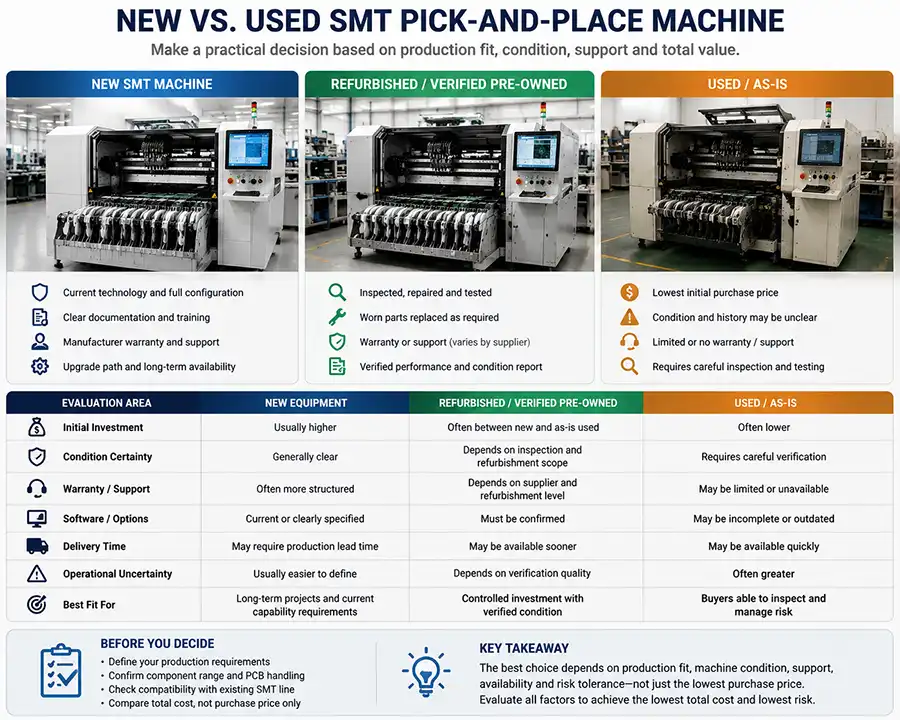
Quick Comparison of New, Refurbished and Used SMT Equipment
| Evaluation Area | New Equipment | Refurbished or Verified Pre-Owned | Ordinary Used or As-Is |
|---|---|---|---|
| Initial investment | Usually higher | Often between new and as-is used | Often lower |
| Condition certainty | Generally clearer | Depends on inspection and refurbishment scope | Requires careful verification |
| Warranty and support | Often more structured | Depends on the supplier and refurbishment level | May be limited or unavailable |
| Software and options | Current or clearly specified | Must be confirmed | May be incomplete or outdated |
| Delivery time | May require a production lead time | May be available sooner | May be available quickly |
| Operational uncertainty | Usually easier to define | Depends on verification quality | Often greater |
| Potential fit | Long-term projects and current capability requirements | Controlled investment with verified condition | Buyers able to inspect and manage risk |
This comparison provides a decision framework rather than a universal recommendation. The value of each option depends on the exact machine, supplier, production requirement and available condition evidence.
Compare Production Fit and Machine Configuration
Machine condition matters only after the equipment has been shown to fit the production task.
Confirm the placement-head configuration, supported component range, PCB capability, conveyor setup, feeder compatibility, installed options, software condition and required production capacity.
A used machine may appear affordable but require additional feeders, software, board-handling options or installation work before production can begin. A new machine may include capabilities the factory does not need, increasing investment without creating equivalent production value.
Compare the required production profile with the exact machine configuration rather than relying only on a series or model name.
Once the requirement is clear, buyers can compare available ASM/SIPLACE SMT machines that match the production and line conditions.
Review Machine Condition, Documentation and Support
Purchasing risk depends partly on the quality of the evidence available about the machine.
Useful evidence may include the exact model and serial number, operating history, maintenance or refurbishment records, functional test results, software information, installed options, included accessories and defined warranty or acceptance terms.
Visual appearance provides only limited information. A clean exterior does not confirm motion performance, software status, maintenance history or production capability.
Buyers should also confirm who will support shipping preparation, installation, commissioning, training and future maintenance after delivery.
Calculate Practical Ownership Cost, Not Only Purchase Price
The quoted machine price is only one part of the investment.
Purchase Price + Inspection or Refurbishment + Shipping + Installation + Commissioning + Training + Software + Missing Feeders or Accessories + Initial Spare Parts + Maintenance + Potential Downtime = Practical Ownership Cost
A lower-priced used machine can become expensive when important accessories are missing, the software is unsuitable or production is delayed during installation and repair.
A higher-priced new or verified pre-owned machine may reduce some uncertainty, but the additional investment should still be justified by expected production use, support requirements and operating value.
Confirm Compatibility With the Existing Production Line
An SMT placement machine should not be evaluated as an isolated asset. It must connect physically and operationally with the factory’s existing equipment and processes.
Review conveyor height and direction, PCB transfer requirements, line communication, feeder inventory, software environment, factory utilities, available floor space and interfaces with upstream and downstream equipment.
A machine that operated successfully in one factory may still require configuration changes, installation work or additional equipment before it can operate effectively in another production environment.
Match the Equipment Condition to Your Production Risk
When New Equipment May Be the Better Fit
New equipment may deserve stronger consideration when the project requires current capabilities, tightly controlled production risk, long-term expansion, formal warranty support, software continuity or strict acceptance requirements.
It may also suit factories with limited internal maintenance resources. In these situations, clearer support responsibility and lower condition uncertainty may justify the higher initial investment.
When Refurbished or Used Equipment May Be Worth Considering
Refurbished or used equipment may be commercially reasonable when the required configuration is available, faster delivery is important, the investment budget is controlled and the machine can be properly inspected or tested.
Professionally refurbished equipment may provide stronger condition evidence and support than ordinary as-is equipment. Ordinary used equipment may offer a lower purchase price but require greater internal technical capability,stronger preventive maintenance and spare-parts planning,and a larger allowance for commissioning, missing accessories, maintenance and downtime risk.
The decision should depend on the exact machine and available evidence, not on the equipment condition label alone.
What to Verify Before Buying a Used SMT Machine
| Verification Area | Information to Confirm |
|---|---|
| Machine identity | Manufacturer, series, exact model, generation or year when available, and serial number |
| Production configuration | Placement heads, supported components, PCB capability, conveyor setup and feeder compatibility |
| Software and options | Software version, installed options, included feeders, trolleys and accessories |
| Condition evidence | Maintenance history, service records, refurbishment scope, functional test results and visible wear |
| Installation and acceptance | Shipping condition, installation needs, commissioning requirements and acceptance terms |
| Ongoing support | Warranty, technical support, replacement-part availability and future maintenance responsibility |
This checklist supports purchasing evaluation but does not replace machine-specific inspection, approved testing or qualified technical review.
Make the Final Decision Based on Fit and Acceptable Risk
The best purchase direction depends on whether the machine configuration fits the production task, whether its condition is supported by reliable evidence and whether the factory can manage the expected operating and downtime risk.
For one factory, the best fit may be a new machine with structured support. For another, a verified pre-owned machine with the correct configuration may provide stronger value. A well-documented ordinary used machine may also be practical when the buyer has the technical resources to inspect, commission and maintain it.
Production Fit + Condition Confidence + Support + Ownership Cost + Operational Risk = Suitable Purchase Direction
Compare Available SMT Machines With Your Production Requirements
Before requesting machine options, prepare the required production capacity, product mix, component range, PCB requirements, existing line configuration, preferred machine series when known, budget range, delivery timing and acceptable equipment condition.
Contact us through WhatsApp and specify whether you are considering new, refurbished, used or any acceptable equipment condition. This information helps narrow the available ASM/SIPLACE machine options to those that better match your production and purchasing requirements.
A useful recommendation requires more than a budget figure. Machine configuration, condition evidence, line compatibility, support requirements and delivery timing should be reviewed together.
Frequently Asked Questions About New and Used SMT Machines
Is a used SMT pick-and-place machine worth buying?
A used machine may be worth considering when its configuration fits the production requirement, its condition can be verified, support and replacement parts are available and the practical ownership cost remains acceptable.
What is the difference between used and refurbished SMT equipment?
Refurbished equipment has normally undergone a defined level of inspection, repair, testing or component replacement. Ordinary used equipment may be sold in its current condition. The actual refurbishment scope and support terms should always be confirmed.
What should be checked before buying a used SMT machine?
Check the exact model, configuration, component and PCB capability, software, included accessories, maintenance history, functional test results, warranty, technical support and replacement-part availability.
What costs should be considered beyond the machine price?
Additional costs may include shipping, installation, commissioning, training, software, missing feeders or accessories, initial spare parts, maintenance and potential production downtime.
Can a used SMT machine work with an existing production line?
It may, but compatibility should be confirmed at the machine, conveyor, software, feeder, utility and line-interface levels.
Conclusion: New equipment is not automatically the best choice, and used equipment is not automatically cheaper in practice. Professionally refurbished and ordinary used machines also represent different purchasing conditions. The final decision should balance production fit, verified condition, documentation, support, ownership cost, existing-line compatibility and the level of operational risk the factory can accept.